
Hiking Tips
| September 9, 2026
| 10 min read
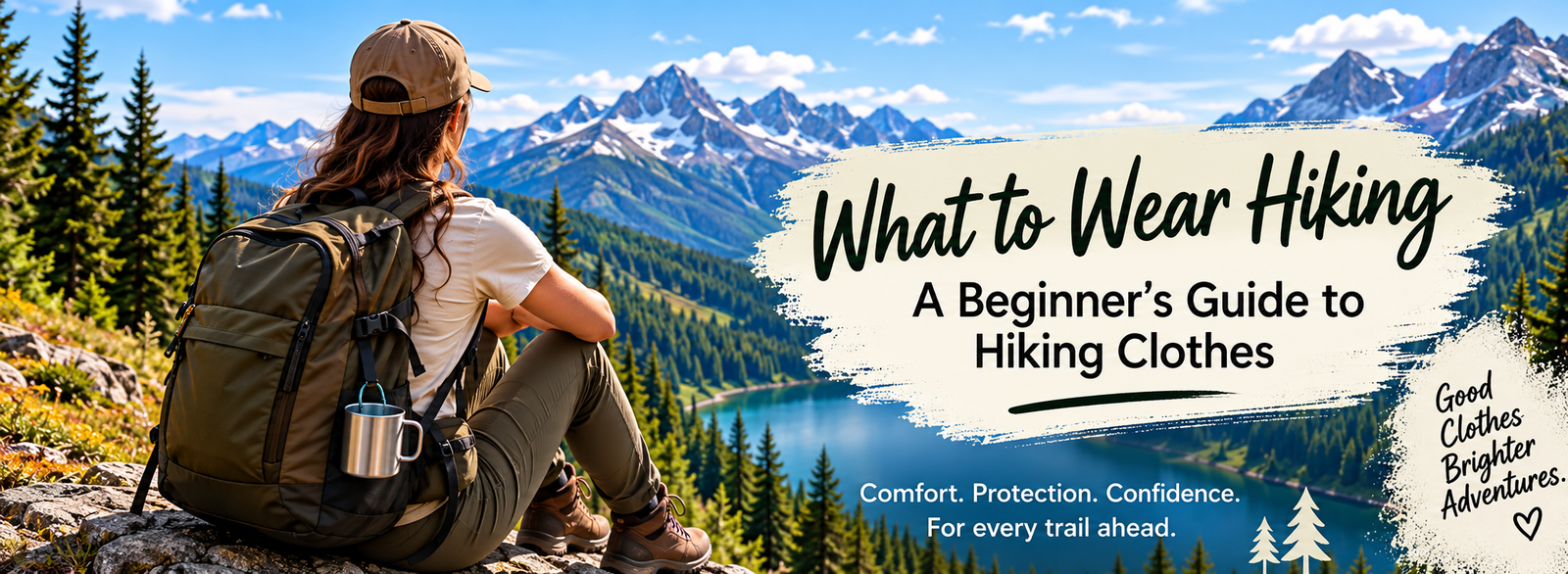
What to Wear Hiking: A Beginner's Guide to Hiking Clothes
Choosing what to wear hiking doesn’t have to be complicated.
For beginners, it’s easy to think you need a completely new wardrobe before stepping onto a trail. But the most important thing is not wearing the most expensive gear.
It’s choosing clothing that keeps you comfortable, protected, and prepared for the conditions.
The right hiking clothes can help you stay comfortable when you’re walking for several hours, dealing with changing weather, or moving across different types of terrain.
Here’s what to consider before your next hike.
1. Start With the Weather
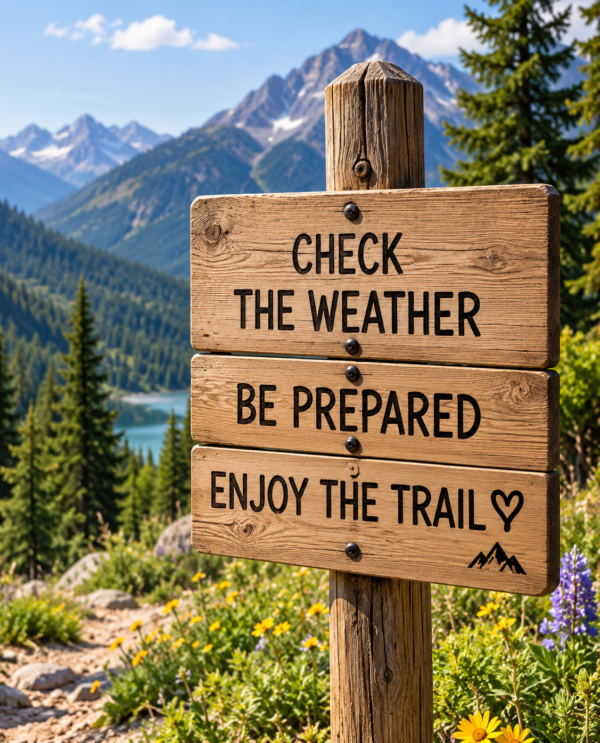
Before deciding what to wear, check the weather forecast.
Temperature, rain, wind, humidity, and sun exposure can all affect what you’ll need.
A warm, sunny day may require lightweight clothing and sun protection, while a cooler or rainy day may require several layers and weather protection.
Don’t dress only for the conditions when you leave home.
Think about how the weather could change during the entire hike.
2. Dress in Layers
One of the simplest hiking clothing strategies is layering.
Instead of wearing one heavy piece of clothing, you can use several lighter layers that can be added or removed as conditions change.
A basic layering system can include:
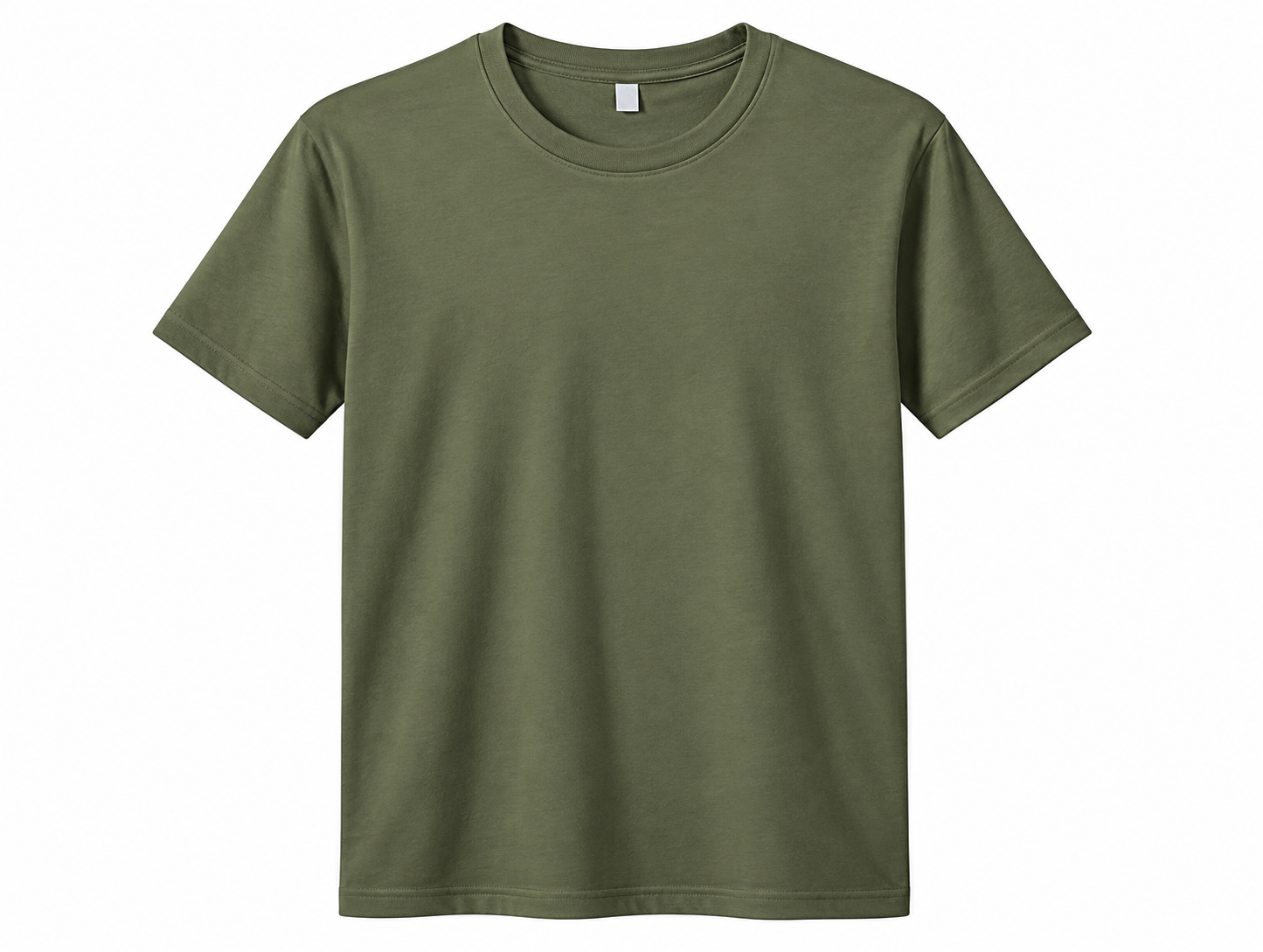
Base layer
This is the layer closest to your skin.
Choose something comfortable that helps manage moisture while you’re moving.
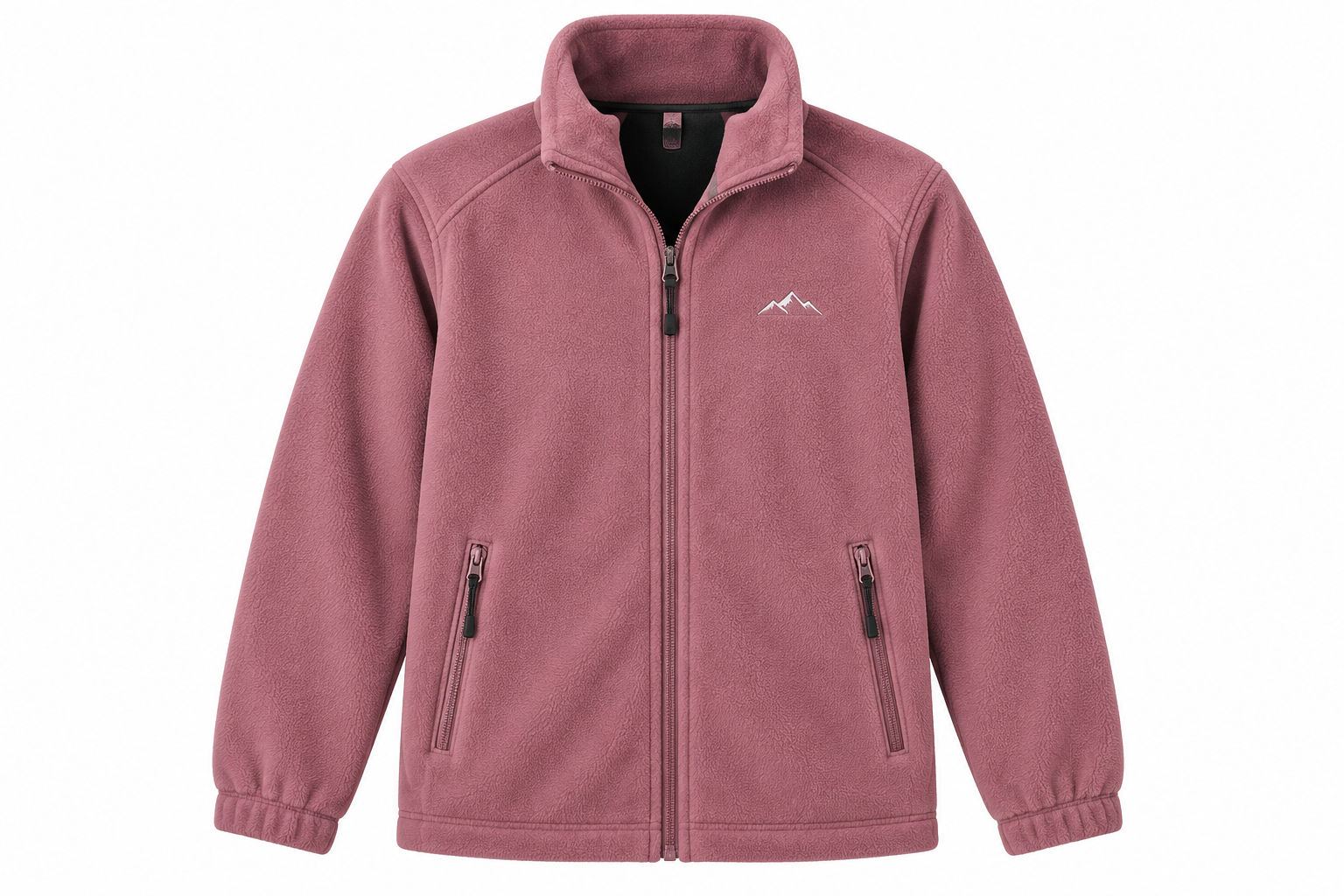
Mid layer
A mid layer provides additional warmth when temperatures drop.
Depending on the conditions, this could be a fleece, lightweight sweater, or similar insulating layer.
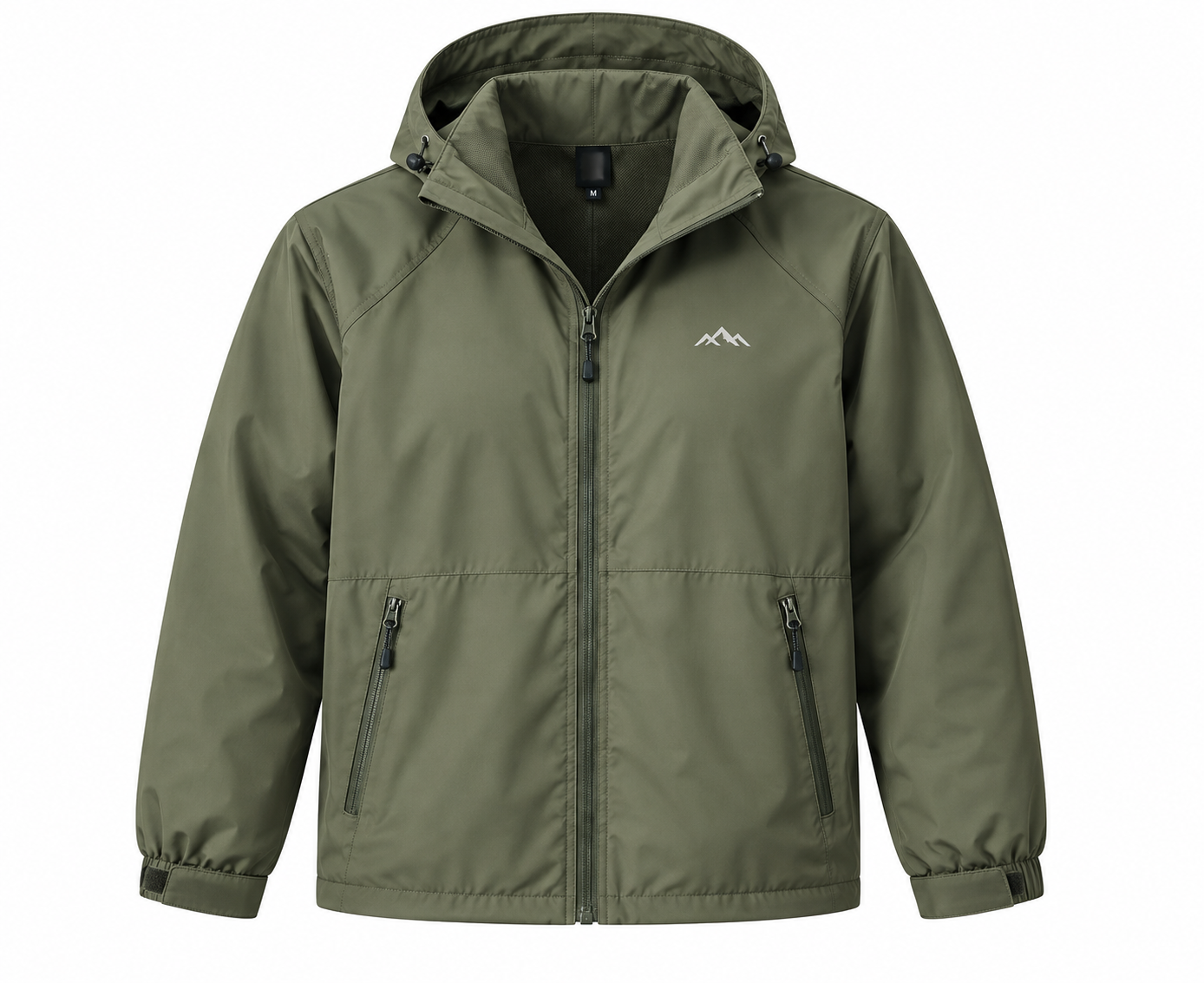
Outer layer
Your outer layer protects you from the weather.
A lightweight rain jacket or wind-resistant layer can be particularly useful when conditions are unpredictable.
You don’t necessarily need all three layers for every hike. The important thing is to choose layers based on the weather, trail, and duration of your hike.
3. Choose Comfortable Hiking Tops
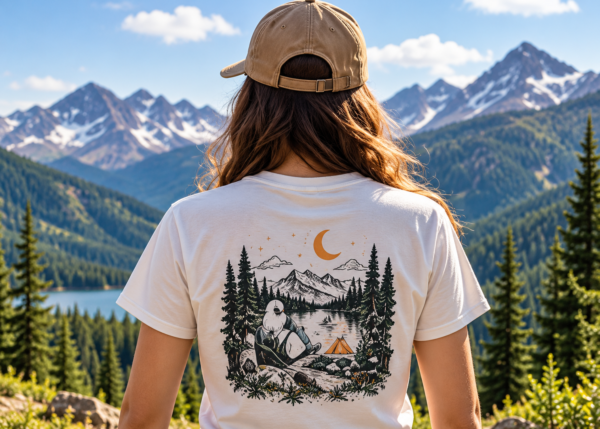
Your hiking top should allow you to move freely without feeling restrictive.
For warmer conditions, a lightweight and breathable T-shirt can be a simple option.
For cooler weather, you can add another layer over it.
Avoid clothing that is uncomfortable, excessively heavy, or likely to cause irritation after several hours of movement.
And remember: Comfort matters more than looking perfectly dressed for the trail.
4. Choose the Right Hiking Bottoms
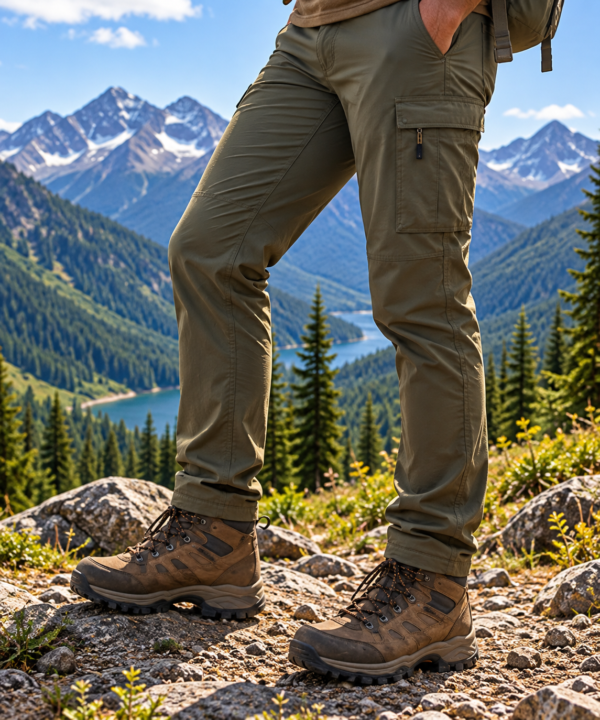
Your choice of pants or shorts depends largely on the trail and weather.
For warm, easy trails, comfortable hiking shorts can work well.
For cooler conditions or trails with dense vegetation, lightweight hiking pants may provide more coverage.
Consider the terrain too.
If you’ll be walking through areas with bushes, rocks, or uneven vegetation, additional leg coverage can be useful.
Whatever you choose, make sure you can move comfortably.
5. Don't Forget Your Socks
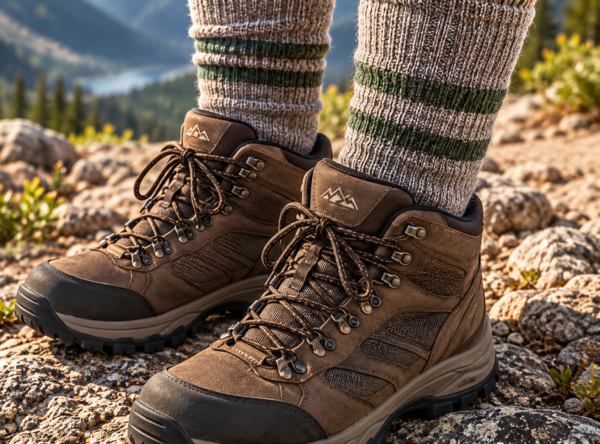
Socks might seem like a small detail, but they can make a big difference during a long hike.
Choose comfortable hiking socks that fit properly and work with your footwear.
Avoid wearing socks that are too loose, too tight, or likely to bunch up inside your shoes.
A poor combination of socks and footwear can contribute to discomfort and blisters.
6. Choose Footwear for the Trail
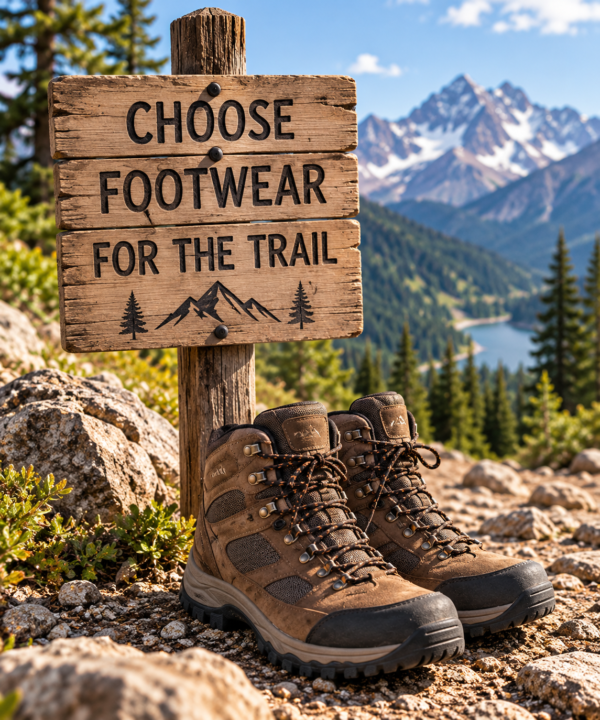
Your footwear should match the terrain you’re hiking.
For an easy, well-maintained trail, comfortable walking or hiking shoes may be enough.
For rocky, uneven, steep, or more demanding trails, you may want footwear that provides greater support and traction.
Before your hike, think about:
- • Trail surface
- • Terrain
- • Weather
- • Distance
- • Elevation
- • Your own experience
And don’t wear brand-new footwear on a long hike without testing it first.
Your feet will thank you.
7. Protect Yourself From the Sun
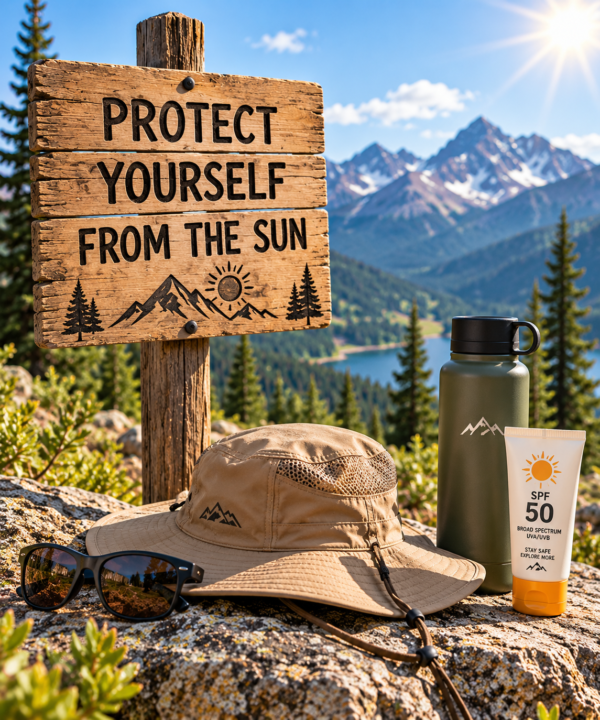
Even when temperatures aren’t extremely high, spending several hours outside can mean significant sun exposure.
Depending on the conditions, consider:
- • A hat
- • Sunglasses
- • Sunscreen
- • Lightweight clothing that provides appropriate coverage
Remember that sun exposure can still be significant on cloudy days.
8. Prepare for Rain
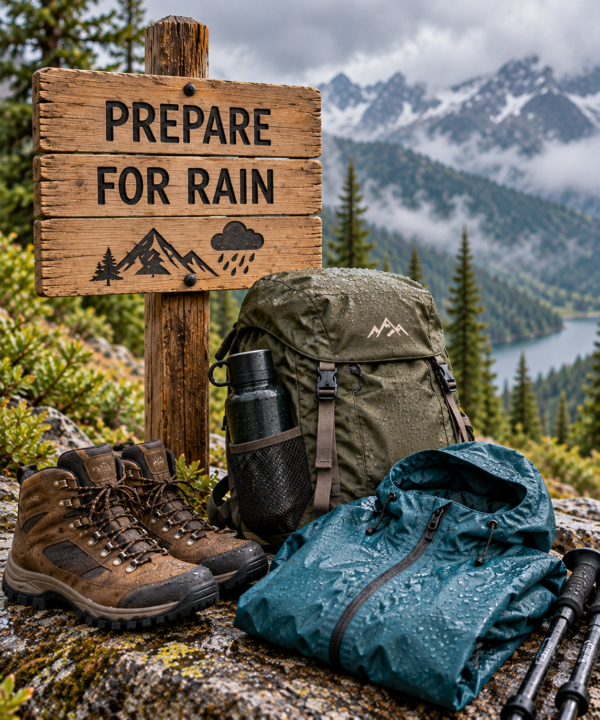
Weather can change quickly, especially in mountainous or exposed areas.
If there’s a chance of rain, bringing a lightweight rain jacket can be a smart choice.
A rain jacket can also help protect you from wind.
Don’t assume that a weather forecast showing a low chance of rain means you can completely ignore weather protection.
A small amount of preparation can make a surprisingly big difference.
9. Think About the Trail, Not Just the Temperature
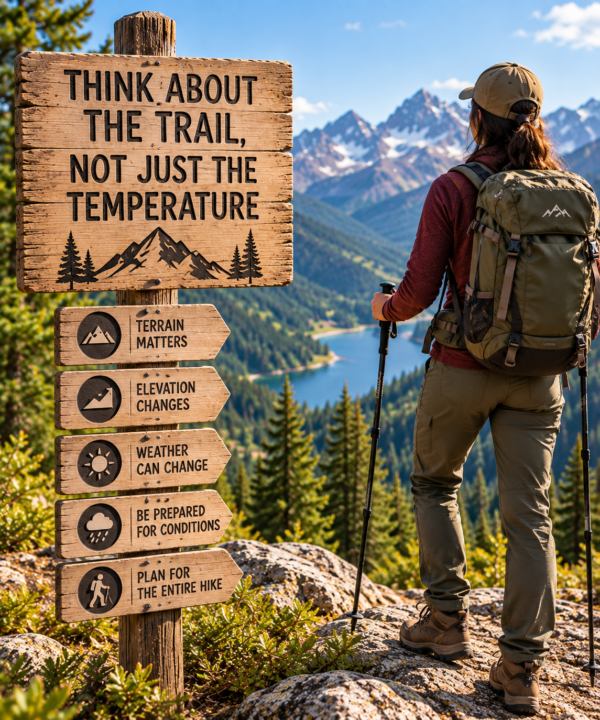
Temperature isn’t the only factor that matters.
Imagine two hikes on the same day:
Trail A:
A flat, shaded forest path.
Trail B:
An exposed mountain trail with a steep climb and strong wind.
Even if the weather forecast is identical, you might choose different clothing for each.
That’s why it’s important to consider the whole environment, not just the temperature shown on your phone.
10. Test Your Hiking Clothes Before a Big Adventure
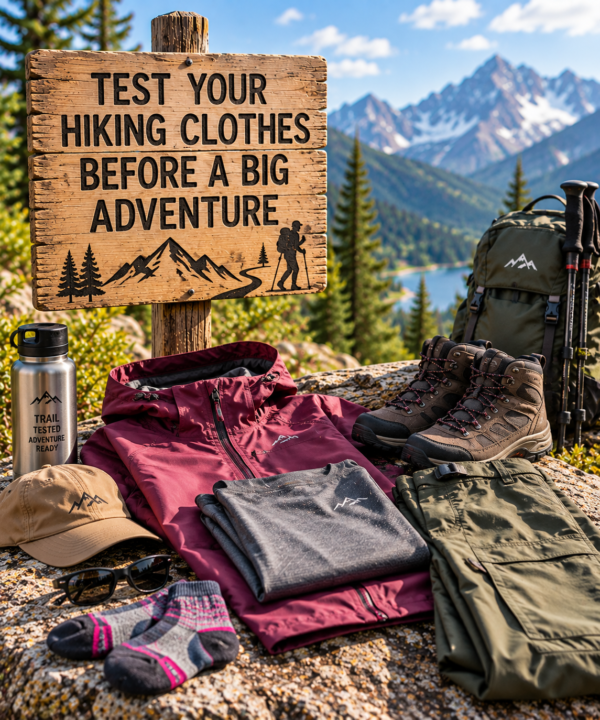
Your first multi-hour hike isn’t the best time to discover that your shirt causes irritation or your pants restrict movement.
Try your hiking clothes during shorter walks first.
Pay attention to:
- • Comfort
- • Chafing
- • Mobility
- • Temperature
- • Sweat
- • How the clothing works with your backpack
Small problems become much more noticeable after several hours on a trail.

About Dusk & Trail
Dusk & Trail was born from a love for the outdoors and the moments that stay with us long after the sun sets. Our mission is to create comfortable, high-quality apparel that inspires you to explore more, wander further, and live for the adventure.
Categories
-
Hiking TipsHiking Tips
-
Camping GuidesCamping Guides
-
Outdoor LifestyleOutdoor Lifestyle
-
National ParksNational Parks
-
Gear & ReviewsGear & Reviews
Related Posts
August 4, 2026
August 12, 2026
August 17, 2026
August 21, 2026
Stay in the Loop
Get hiking tips, new product drops & exclusive offers.
A Simple Rule to Remember
When choosing what to wear hiking, ask yourself four questions:
What is the weather?
What is the terrain?
How long will I be outside?
What could change during the hike?
Match your gear to the adventure.
Answer those questions and you’ll already be much better prepared.
Before You Hit the Trail
Choosing the right clothes is only one part of preparing for a hike.
You should also think about your route, weather, water, navigation, and emergency essentials.
If you’re planning a day hike, check out our guide:
And if you’re still deciding where to go:
Answer those questions and you’ll already be much better prepared.
Final Thoughts
You don’t need the perfect hiking outfit to enjoy the outdoors.
You need clothing that suits the conditions, lets you move comfortably, and helps you stay prepared when the weather or terrain changes.
Start simple.
Learn from every hike.
And gradually build the gear and clothing that work best for you.
Because at the end of the day, the most important thing isn’t what you’re wearing.
It’s where the trail takes you. 🌲🥾
🌲 Explore More. Live Wild.
At Dusk & Trail, we create outdoor-inspired apparel for people who feel most at home outside.
Whether you’re heading out for a quick local hike or planning your next adventure, wear something that reflects your love for the trail.