Hiking Tips
| September 4, 2026
| 10 min read
How to Choose Your First Hiking Trail: A Beginner's Guide
Published by Dusk & Trail
Choosing your first hiking trail can feel a little overwhelming.
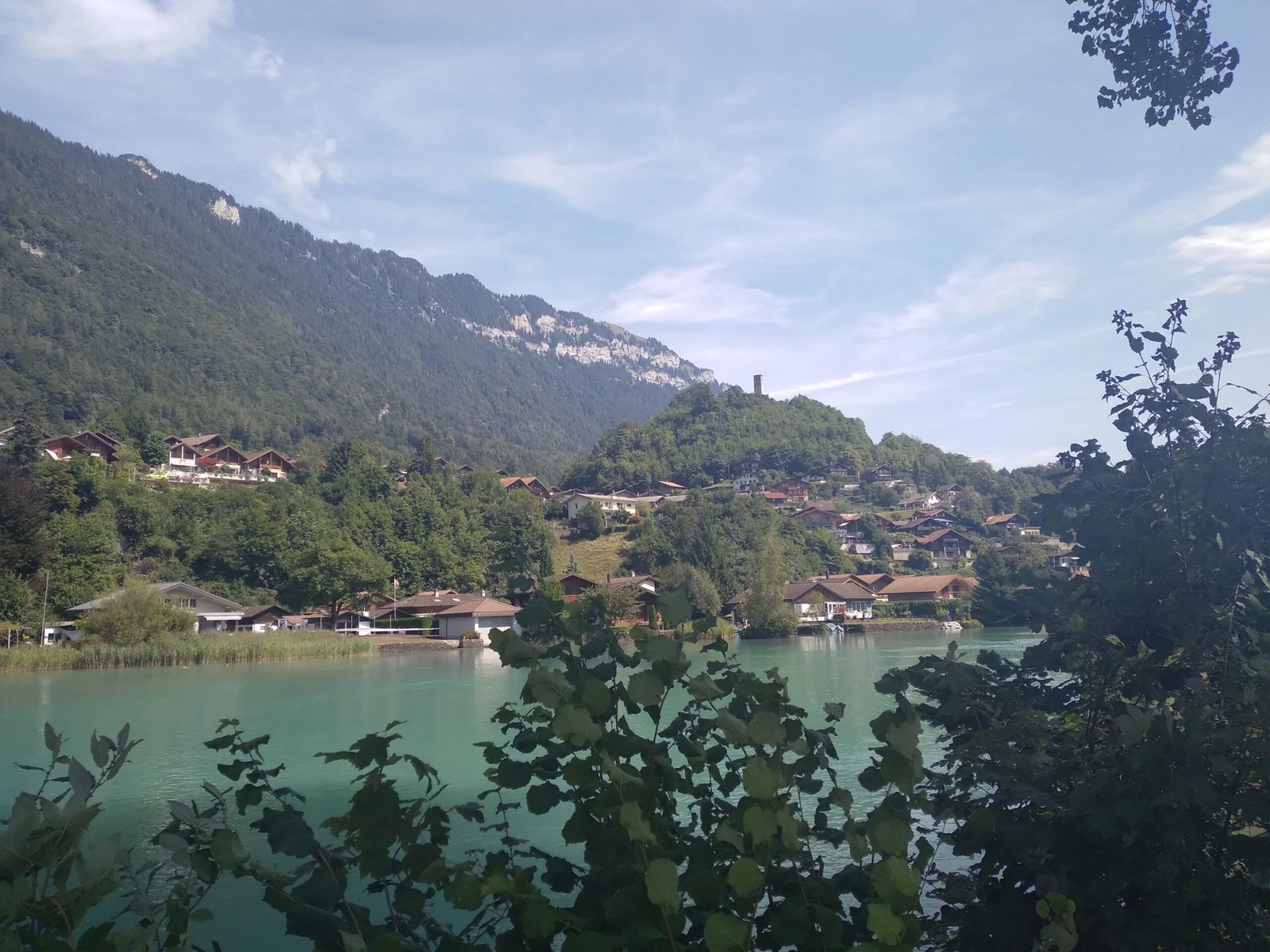
You might find a beautiful trail online with amazing mountain views and immediately want to try it. But a trail that looks easy in a photo can be much more challenging once you’re actually on it.
The good news is that choosing a suitable trail doesn’t have to be complicated.
By looking at a few important factors—such as distance, elevation, terrain, weather, and your own experience—you can find a hike that’s enjoyable without pushing you beyond your limits.
Whether you’re planning your first day hike or simply want to become more comfortable choosing trails, here’s what to consider before you head outside.
Start With Your Experience Level
The first question to ask yourself is simple:
What kind of hiking experience do you have?
If you’re new to hiking, there’s no reason to start with the most difficult trail in the area.
A short, relatively easy trail can be a much better introduction to hiking than a long and demanding route.
Consider your current fitness level, how often you exercise, and whether you’ve previously walked on uneven or steep terrain.
Remember that hiking is not a competition.
The goal of your first hike should be to enjoy the experience, learn what works for you, and build confidence for future adventures.
Look at Distance and Elevation Gain
Two trails can have the same distance but feel completely different.
For example, a relatively flat trail may be much easier than a trail of the same length with significant elevation gain.
If you’re new to hiking, there’s no reason to start with the most difficult trail in the area.
Before choosing a route, look at:
- • Total distance.
- • Elevation gain.
- • Highest point.
- • Estimated hiking time.
- • Whether the trail is a loop or an out-and-back route.
If you’re a beginner, don’t look at distance alone.
Elevation gain can make a major difference in how demanding a hike feels.
Check the Trail Conditions
A trail can change significantly depending on the season and recent weather.
Rain can make paths muddy and slippery. Snow and ice can make a normally easy route considerably more difficult. Hot weather can also make a hike more physically demanding.
Before leaving, check the most recent information available about the trail.
Pay attention to:
- • Weather conditions.
- • Recent rainfall or snowfall.
- • Trail closures.
- • Mud or flooding.
- • Seasonal conditions.
- • Any local warnings.
A trail that was easy last month may not be the same trail today.
Consider the Terrain
Distance and elevation aren’t the only things that determine difficulty.
Think about the type of surface you’ll encounter.
A smooth, well-maintained path is very different from a rocky trail with roots, loose stones, narrow sections, or steep climbs.
If you’re just starting out, you may want to choose a trail with relatively straightforward terrain.
As you gain experience, you can gradually explore more challenging environments.
Check the Estimated Hiking Time
Trail websites and hiking apps often provide an estimated completion time.
Use this as a guide rather than a guarantee.
Your actual hiking time can depend on:
- • Your walking speed.
- • Elevation gain.
- • Trail conditions.
- • How often you stop.
- • Weather.
- • How much equipment you're carrying.
If a trail is estimated to take several hours, remember to allow extra time for breaks, photos, food, navigation, and unexpected delays.
It’s better to have extra time than to find yourself rushing to finish before dark.
Check Your Navigation Options
Before starting your hike, make sure you know how you’ll navigate the trail.
Your phone can be extremely useful, but don’t assume you’ll always have mobile service.
Download an offline map before leaving if your hiking app supports it.
It’s also helpful to know:
- • Where the trail starts.
- • Where the trail ends.
- • Important junctions.
- • Alternative routes.
- • Where you can turn around if necessary.
If you’re unfamiliar with the area, take a few minutes before leaving to look at the route.
A little preparation can make the hike much more enjoyable.
Check the Weather Before You Leave
Weather is one of the most important things to consider when choosing a hiking trail.
Don’t rely only on the weather forecast from several days ago.
Check the forecast close to your departure time and consider how conditions may change throughout the hike.
Pay particular attention to:
- • Temperature.
- • Rain.
- • Wind.
- • Thunderstorms.
- • Visibility.
- • Extreme heat or cold.
Mountain weather can sometimes change quickly, so it’s important to be prepared for conditions that may be different from what you expected.
If the conditions don’t look suitable for your experience level, there’s nothing wrong with changing your plans.
There will always be another day to hike.
Tell Someone About Your Plans
Before heading out, especially if you’re hiking alone, let someone you trust know where you’re going.
Share basic information such as:
- • The trail you're planning to hike.
- • Your expected start time.
- • Your approximate return time.
- • When they should expect to hear from you.
You don’t need to make this complicated.
It’s simply another layer of preparation that can be useful if something unexpected happens.
Think About What You'll Need to Bring
Once you’ve selected your trail, think about what you’ll need for the conditions and distance.
For a day hike, your essentials might include:
- • Water
- • Food or snacks
- • Navigation tools
- • First-aid supplies
- • Weather protection
- • Appropriate footwear
- • Sun protection
For a more detailed checklist, read our guide:
Start Small and Build Your Experience
Your first hiking trail doesn’t need to be spectacular.
You don’t need a huge mountain, a difficult climb, or a full-day adventure to have a great experience outdoors.
A short local trail can teach you a lot:
- • How your body feels after several hours of walking.
- • How much water you actually need.
- • What footwear works for you.
- • How quickly you walk.
- • What equipment you use most.
- • How you handle different terrain.
With every hike, you’ll learn a little more about what works for you.
Eventually, trails that once seemed intimidating may become comfortable—and you’ll be ready to explore something new.
Your First Trail Doesn't Have to Be Perfect
Choosing a hiking trail is about finding the right balance between challenge and enjoyment.
Start with something appropriate for your experience, check the conditions, prepare your essentials, and give yourself enough time to enjoy the journey.
You don’t have to prove anything.
Sometimes the best hike is simply the one that gets you outside.
Plan well. Explore confidently. And enjoy the trail. 🥾🌲
Ready for Your Next Adventure?
At Dusk & Trail, we’re inspired by the people who enjoy the journey as much as the destination.
Explore our outdoor-inspired designs for your next adventure.

About Dusk & Trail
Dusk & Trail was born from a love for the outdoors and the moments that stay with us long after the sun sets. Our mission is to create comfortable, high-quality apparel that inspires you to explore more, wander further, and live for the adventure.
Categories
-
Hiking TipsHiking Tips
-
Camping GuidesCamping Guides
-
Outdoor LifestyleOutdoor Lifestyle
-
National ParksNational Parks
-
Gear & ReviewsGear & Reviews
Related Posts
August 4, 2026
August 12, 2026
August 17, 2026
August 21, 2026

Stay in the Loop
Get hiking tips, new product drops & exclusive offers.