
Camping Guides
| August 12, 2026
| 10 min read
10 Essential Camping Tips for Beginners
Published by Dusk & Trail
Camping is one of the best ways to disconnect from everyday life and reconnect with nature. Waking up to fresh air, spending an evening around a campfire, and falling asleep under a sky full of stars can turn an ordinary weekend into an unforgettable adventure.
But if you’re new to camping, preparing for your first trip can feel overwhelming.
What should you bring? Where should you camp? What happens if the weather changes? And how can you make sure your first experience is comfortable rather than stressful?
The good news is that you don’t need expensive equipment or years of experience to enjoy camping. A little preparation can make a huge difference.
Here are 10 essential camping tips for beginners to help you get started.
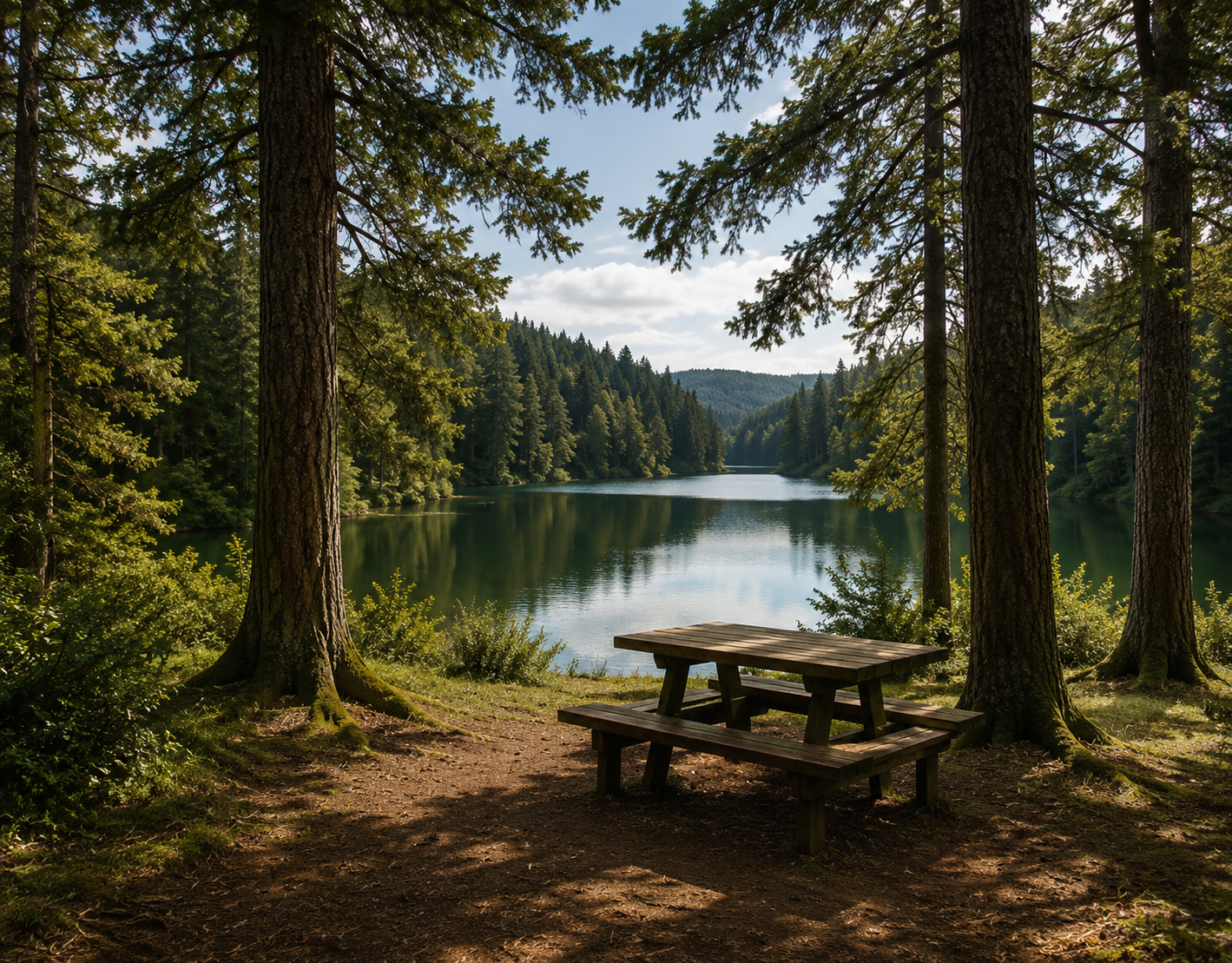
1. Choose a Beginner-Friendly Campsite
For your first camping trip, don't make things unnecessarily difficult.
Look for a campsite that is:
Bring lightweight snacks such as:
2. Check the Weather Before You Leave
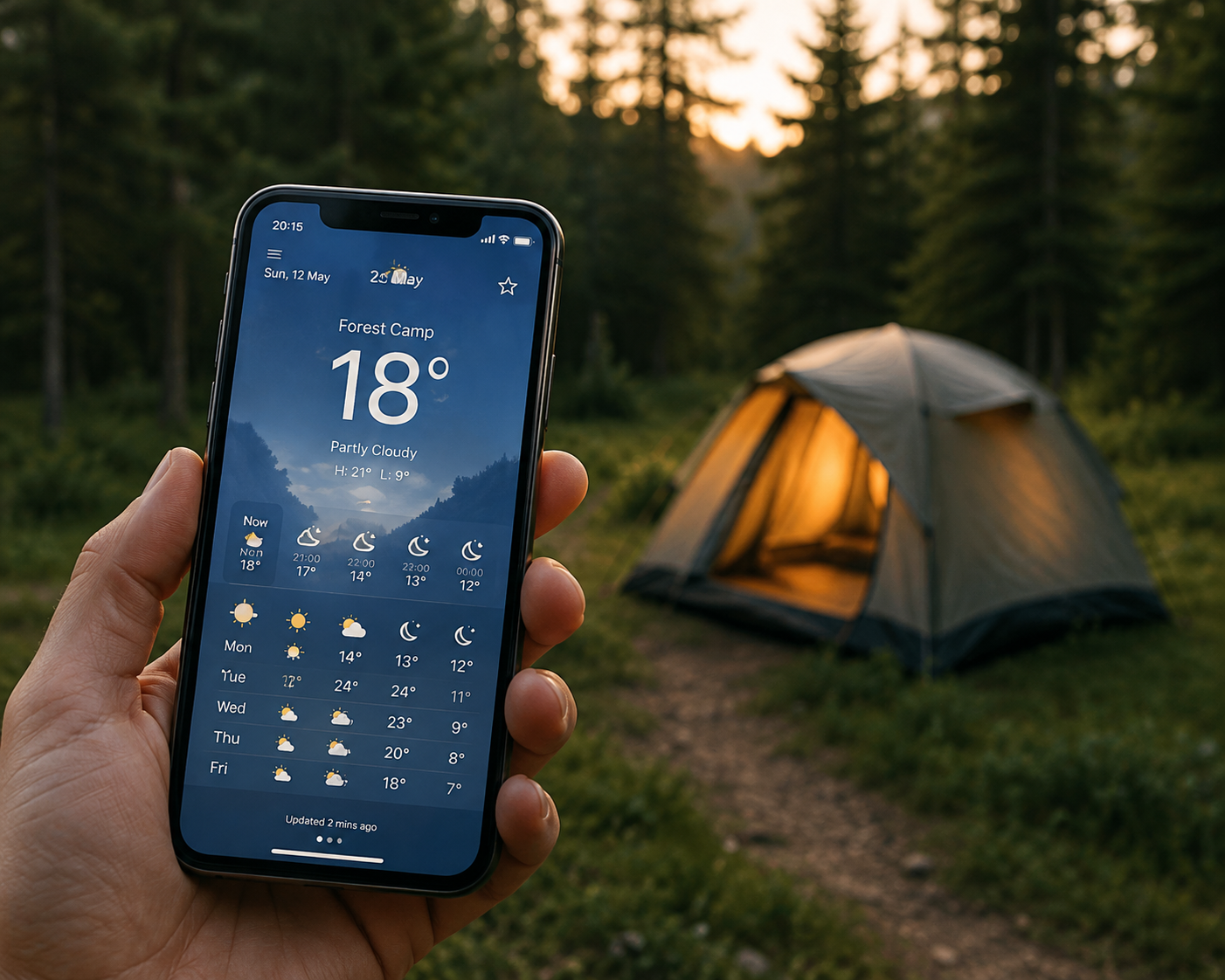
Weather can have a huge impact on your camping experience.
Before leaving home, check the forecast for the entire duration of your trip.
Pay particular attention to:
3. Make a Camping Checklist
One of the easiest ways to forget something important is to pack without a checklist.
Before your trip, write down everything you need and check each item as you pack.
Your basic camping checklist might include:
4. Practice Setting Up Your Tent at Home
This is one of the most useful tips for first-time campers.
Don't wait until you arrive at the campsite to discover that you don't know how your tent works.
Set it up in your backyard, garden, or even another suitable outdoor space before your trip.
Practice:
5. Bring More Water Than You Think You Need
Water is one of the most important things to plan for when camping.
If your campsite doesn't have a reliable source of drinking water, you'll need to bring enough with you.
Consider how much water you'll need for:
6. Keep Your Food Secure
Food can attract insects, animals, and other unwanted visitors to your campsite.
Keep food and cooking supplies properly stored when you're not using them.
Avoid leaving food:
7. Dress in Layers
Camping weather can change quickly.
Even if the afternoon is warm, temperatures can drop significantly after sunset.
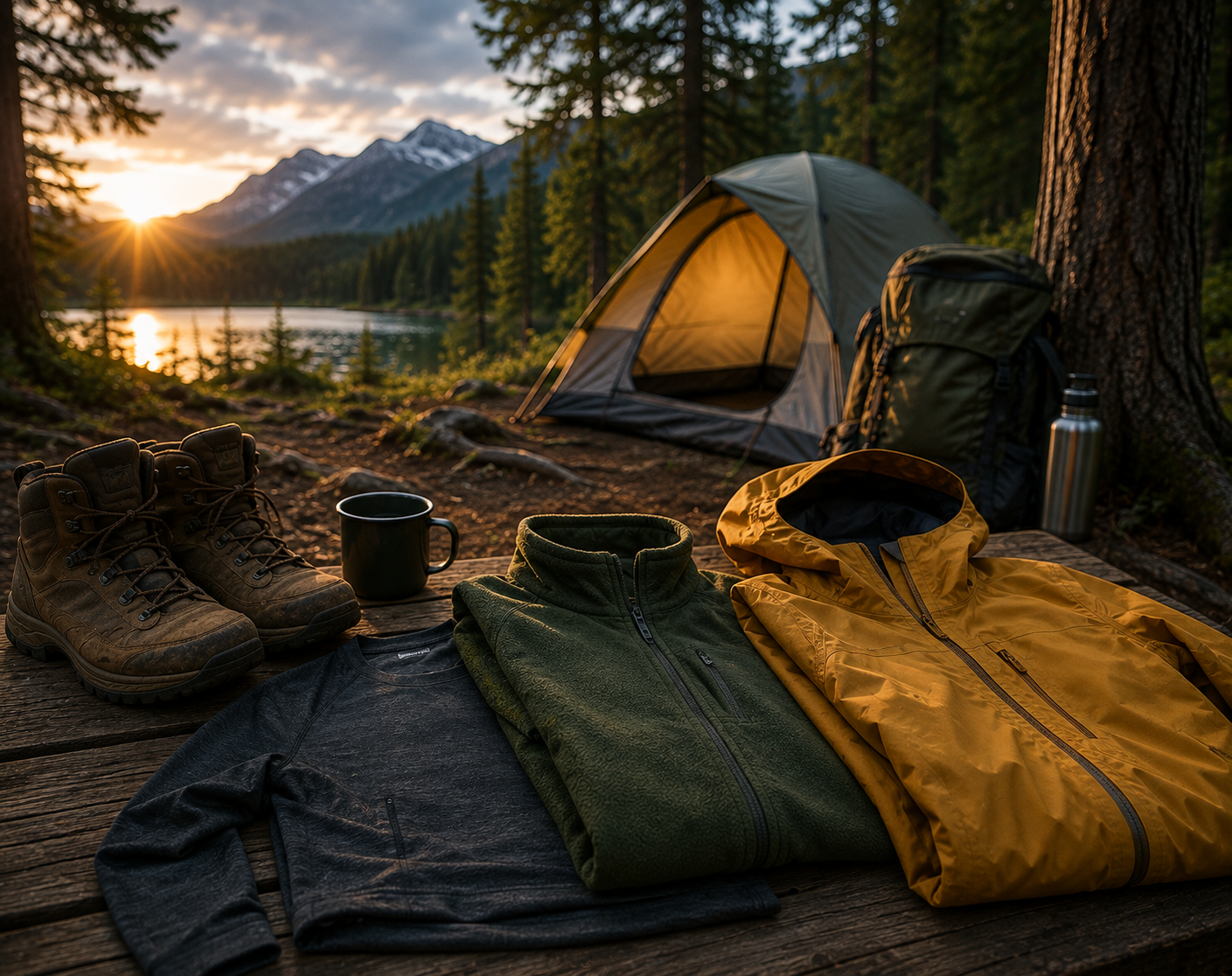
Instead of relying on one heavy item of clothing, consider dressing in layers.
A simple system might include:
8. Bring a Reliable Light
Never assume you'll have enough light from your phone.
A headlamp or flashlight should be part of your basic camping gear.
You'll need it for things such as:
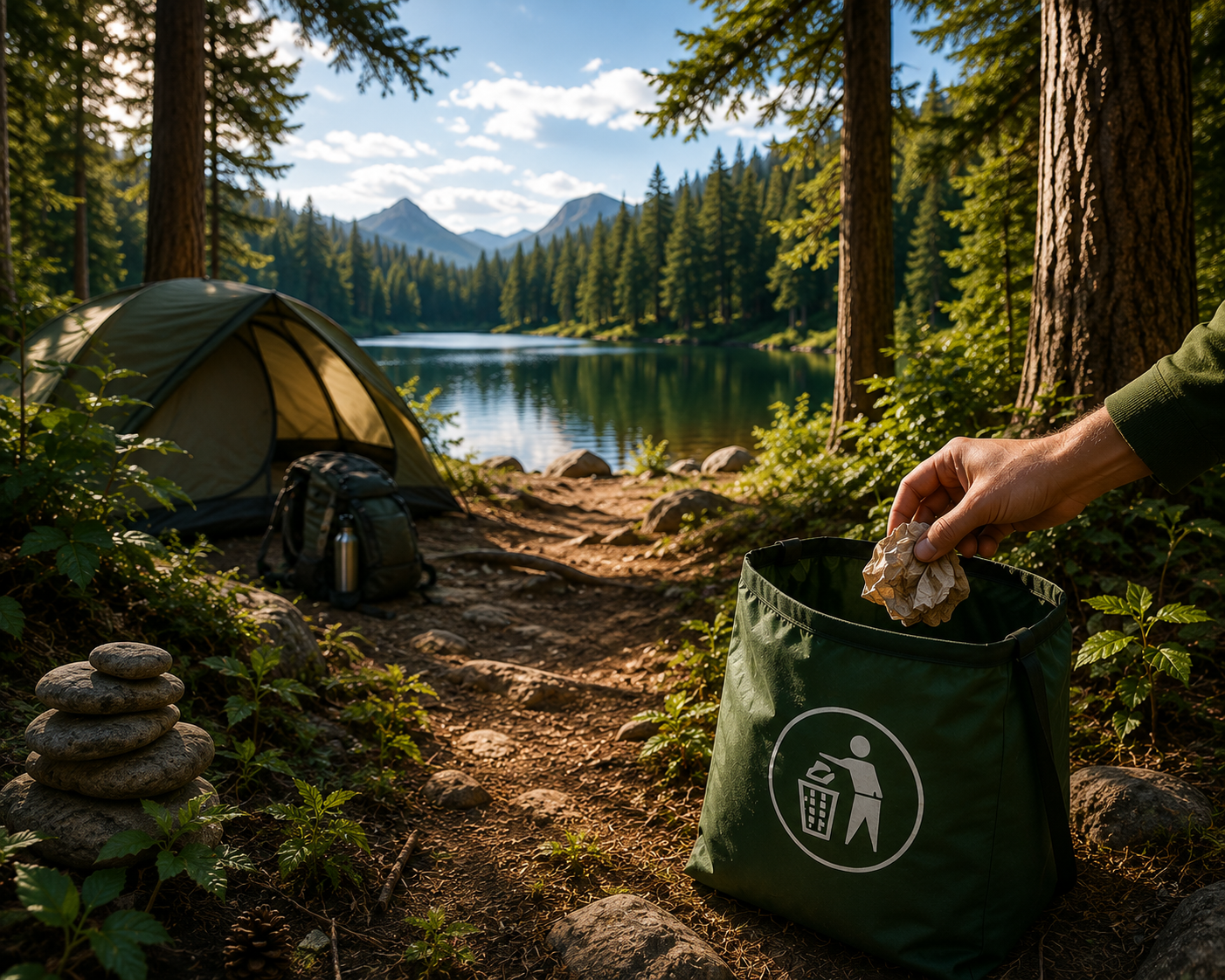
9. Leave No Trace
One of the most important principles of outdoor recreation is to leave nature as you found it.
That means:
10. Don't Try to Do Too Much on Your First Trip
Your first camping trip doesn't need to be an extreme adventure.
You don't need to:
Bonus Tip: Prepare for the Unexpected
Even a carefully planned camping trip can have surprises.
Your plans might change because of:
Final Thoughts
Camping doesn't have to be complicated.
For beginners, the key is to start simple, prepare carefully, and learn from every trip.
Choose a suitable campsite, check the weather, make a checklist, bring enough water, protect your food, dress appropriately, and respect the environment.
Most importantly, give yourself time to enjoy the experience.
The goal isn't to have the most impressive gear or the most extreme adventure.
It's simply to spend time outdoors, create great memories, and become more comfortable exploring the natural world. 🌲🏕️
If you're also planning to explore hiking trails during your camping adventure, don't forget to check out our guide:
10 Hiking Essentials Every Beginner Needs
About Dusk & Trail
Dusk & Trail was born from a love for the outdoors and the moments that stay with us long after the sun sets. Our mission is to create comfortable, high-quality apparel that inspires you to explore more, wander further, and live for the adventure.
Categories
-
Hiking TipsHiking Tips
-
Camping GuidesCamping Guides
-
Outdoor LifestyleOutdoor Lifestyle
-
National ParksNational Parks
-
Gear & ReviewsGear & Reviews
Stay in the Loop
Get hiking tips, new product drops & exclusive offers.