
Camping Guides
| August 17, 2026
| 10 min read
10 Essential Hiking Safety Tips Every Beginner Should Know
Published by Dusk & Trail
Hiking is a wonderful way to explore nature, get some exercise, and take a break from everyday life. Whether you’re walking through a forest, exploring a mountain trail, or enjoying a scenic path near home, every hike can be an opportunity for adventure.
But if you’re new to hiking, safety should always come first.
You don’t need to be an experienced mountaineer to enjoy the outdoors. With some basic preparation and good judgment, you can make your hikes safer, more comfortable, and much more enjoyable.
Here are 10 essential hiking safety tips for beginners to help you prepare for your next adventure.
1. Choose a Beginner-Friendly Campsite
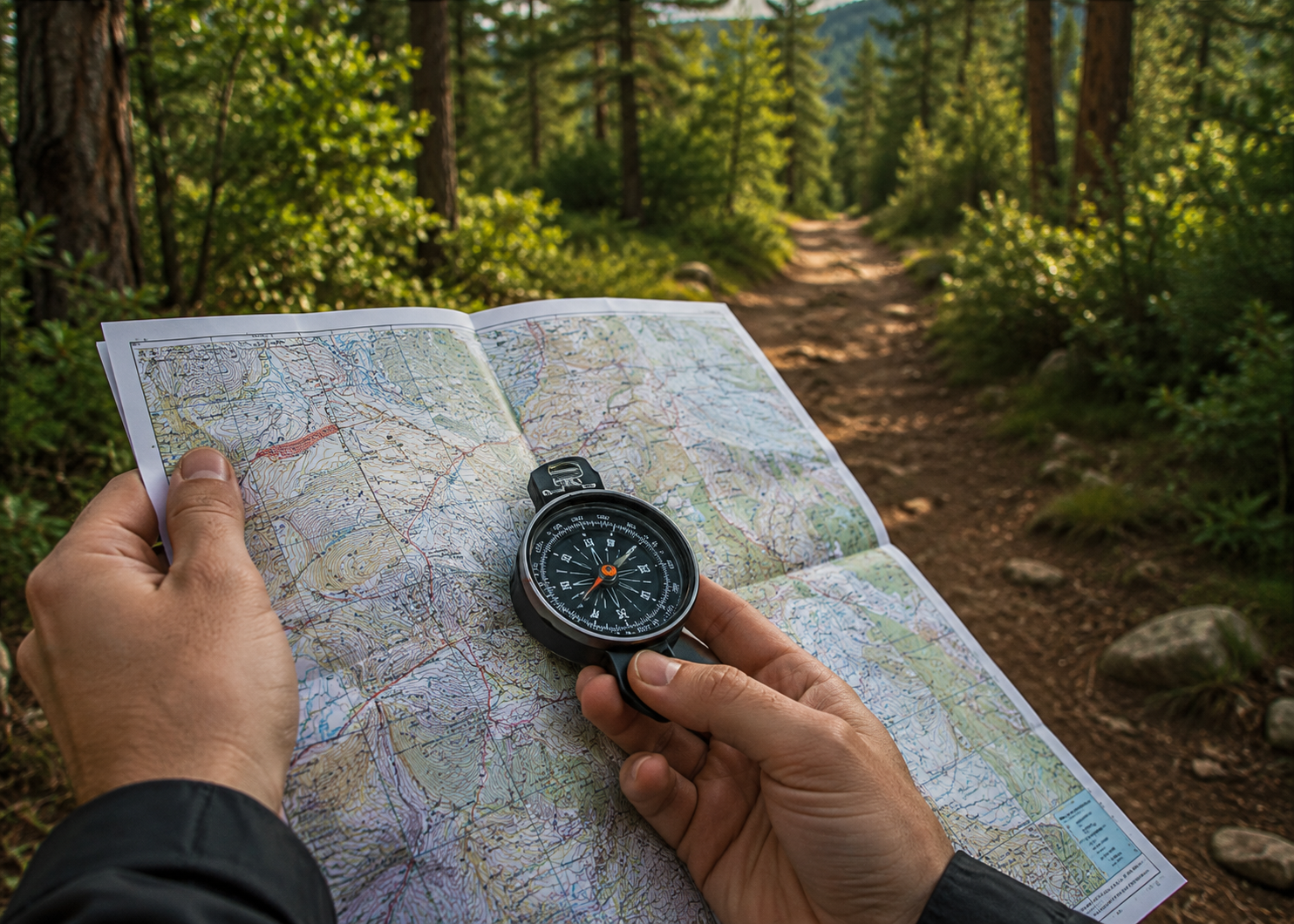
One of the most important things you can do before a hike is learn about the trail. Don’t choose a route simply because the photos look beautiful. Find out:
- • How long the trail is.
- • How difficult it is.
- • How much elevation it has.
- • How long it typically takes.
- • Whether there are steep or difficult sections.
- • Whether the trail is suitable for your experience level.
If this is your first hike, start with a relatively short and well-marked trail.
As you gain experience, you can gradually take on longer and more challenging routes.
Preparation starts before you reach the trailhead.
2. Check the Weather Forecast
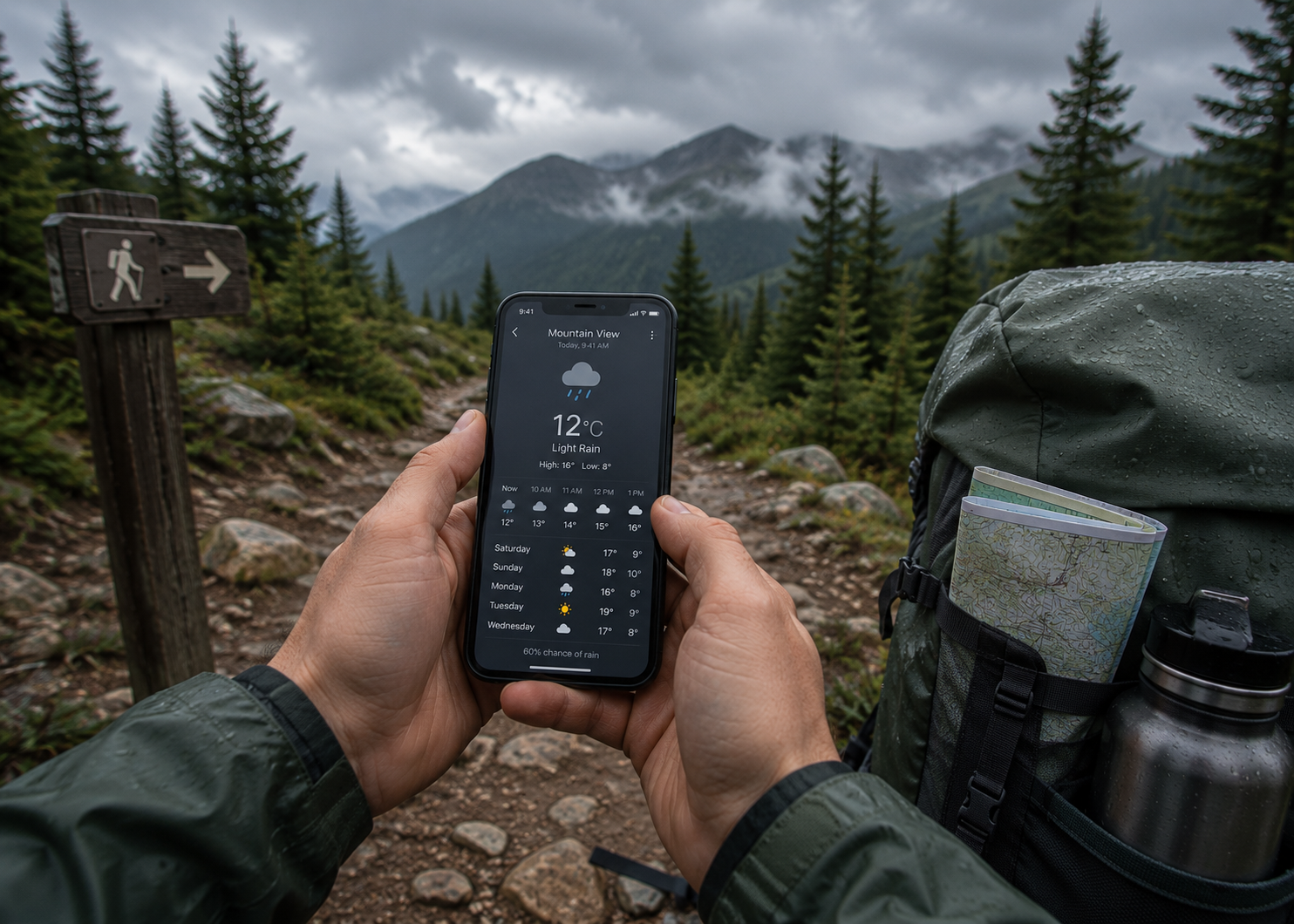
Weather conditions can change quickly outdoors, especially in mountains and other exposed areas.
Before leaving, check the forecast for the entire period you’ll be hiking. Pay attention to:
- • Rain.
- • Thunderstorms.
- • Strong winds.
- • Temperature.
- • Extreme heat.
- • Cold conditions.
- • Visibility.
If severe weather is expected, consider postponing your hike.
And remember that a weather forecast is only a prediction. Conditions can change unexpectedly, so be prepared to adjust your plans if the weather becomes unsafe.
3. Tell Someone Where You're Going
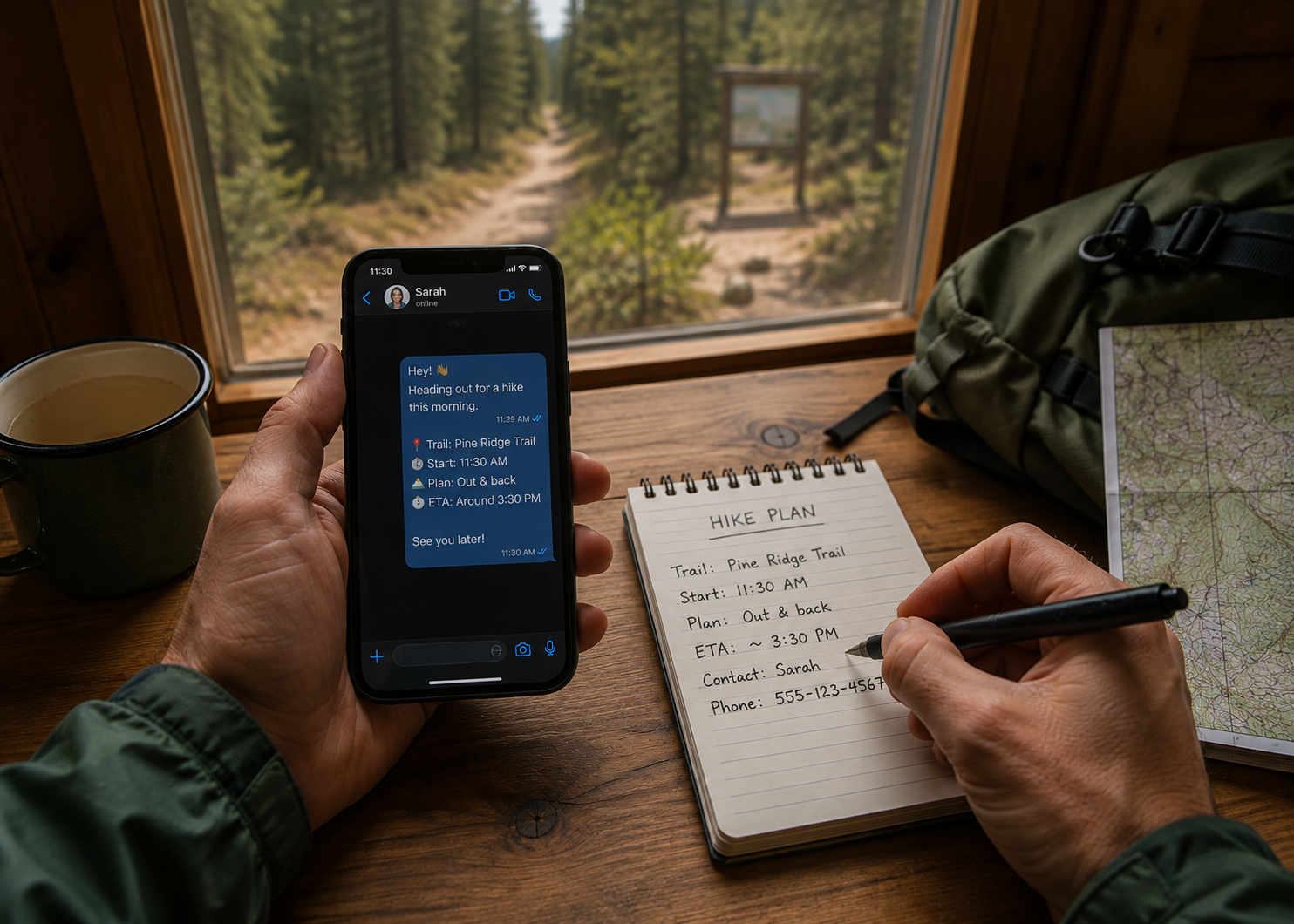
Before heading out, let someone you trust know about your plans.
Tell them:
- • Where you're hiking.
- • Which trail you're taking.
- • Approximately when you'll leave.
- • When you expect to return.
For longer or more remote hikes, this becomes especially important.
If your plans change, let them know when possible.
This simple habit can provide an additional layer of safety if something goes wrong and you are unable to contact anyone.
4. Bring Enough Water
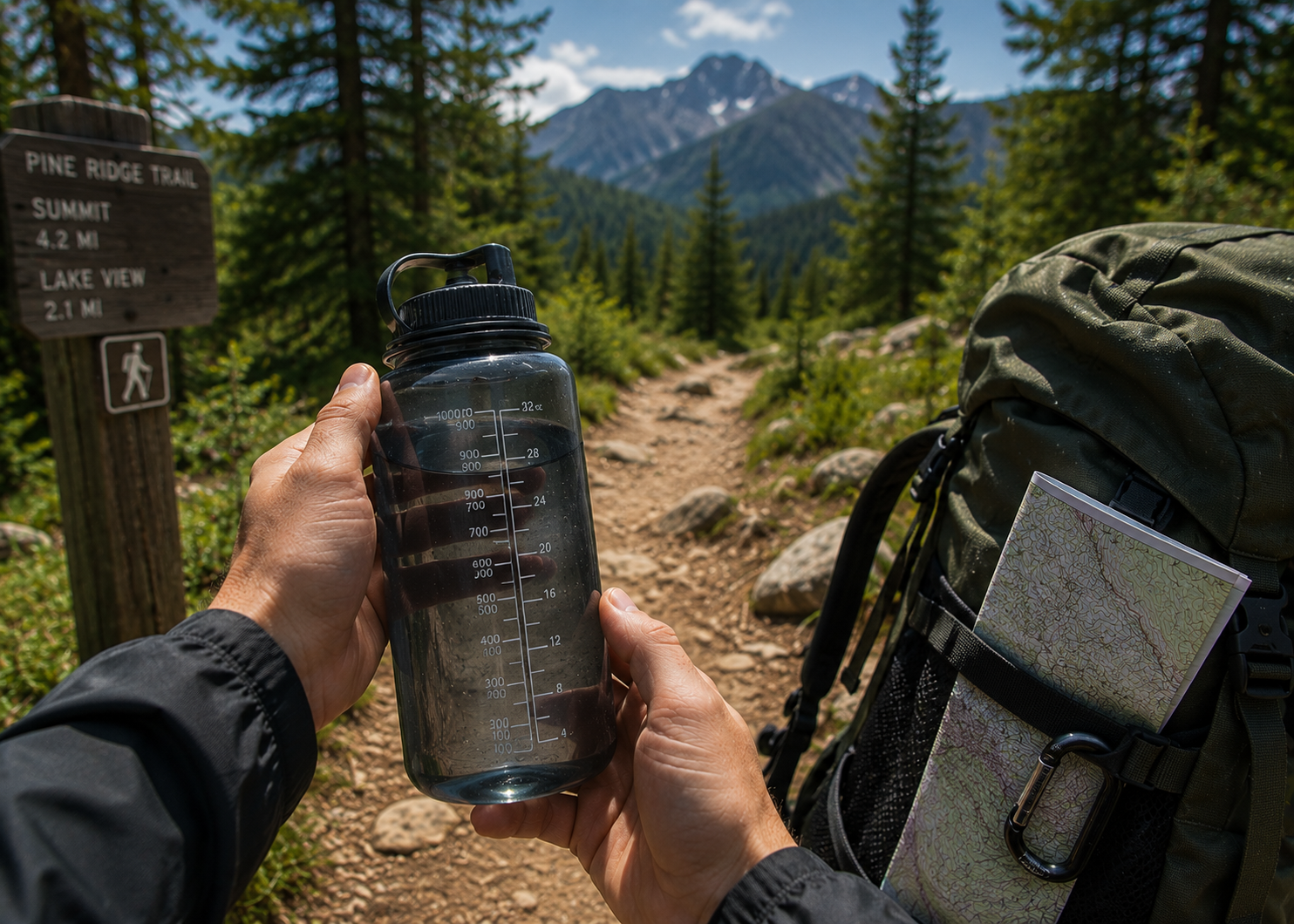
Staying hydrated is essential when you’re active outdoors.
The amount of water you need depends on factors such as:
- • Trail length.
- • Temperature.
- • Elevation.
- • Physical effort.
- • Your individual needs.
Don’t assume you’ll automatically find safe drinking water along the trail.
If you’re unsure whether water sources are safe, plan to carry enough with you or use an appropriate water-treatment method.
And if you’re hiking in hot weather, remember that you may need significantly more water than you would on a cool day.
For a complete overview of what to bring on a hike, check out our guide:
5. Carry Reliable Navigation
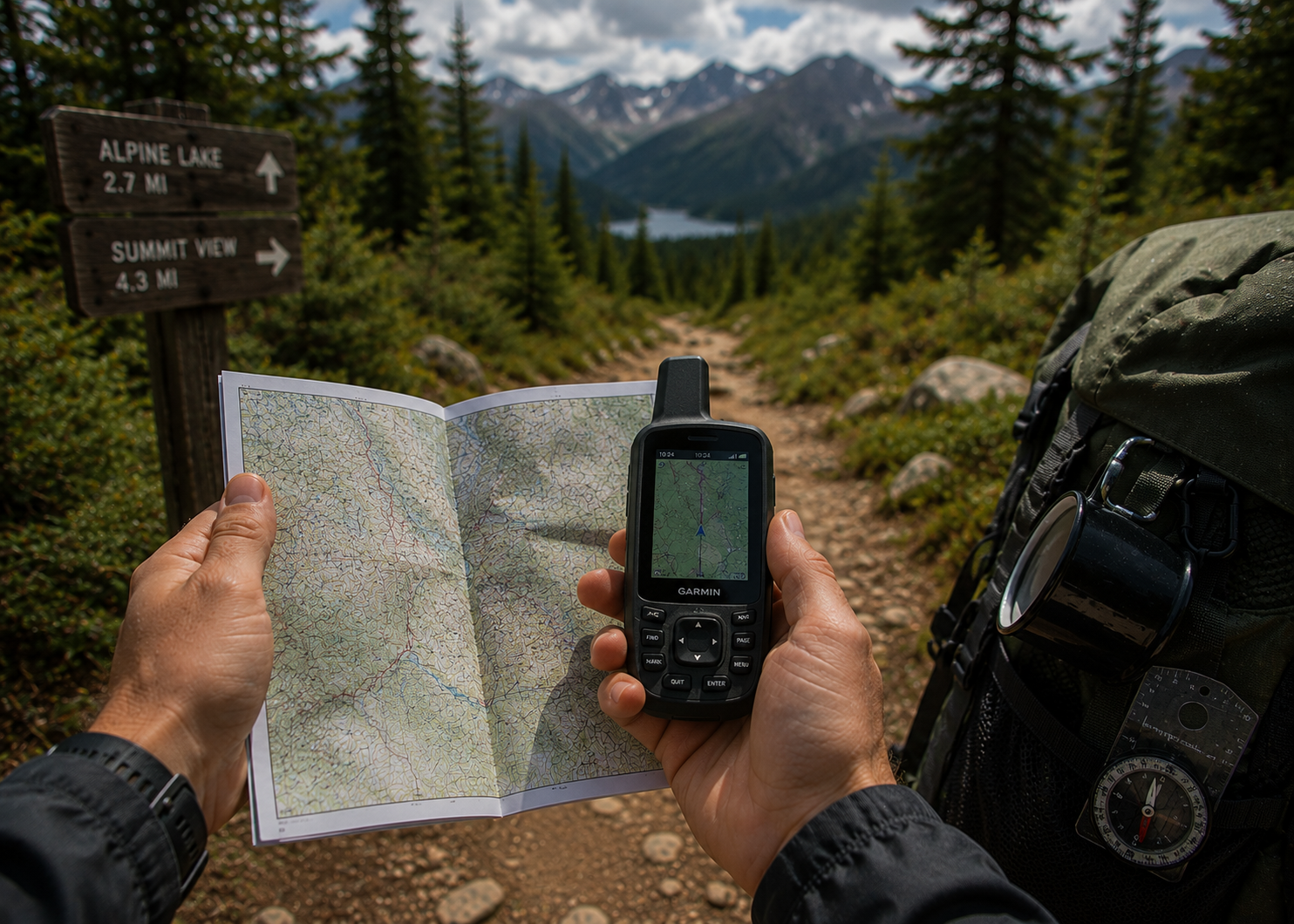
Getting lost can quickly turn a pleasant hike into a dangerous situation. Before starting your hike, familiarize yourself with the route.
Depending on the trail, useful navigation tools can include:
- • A trail map.
- • An offline map on your phone.
- • A compass.
- • A GPS device.
- • Clearly marked trail signs
Don’t rely entirely on your phone’s internet connection. Some hiking areas have little or no mobile signal.
It’s also a good idea to keep your phone charged before leaving and consider carrying a power bank on longer trips.
6. Pack a Basic First-Aid Kit
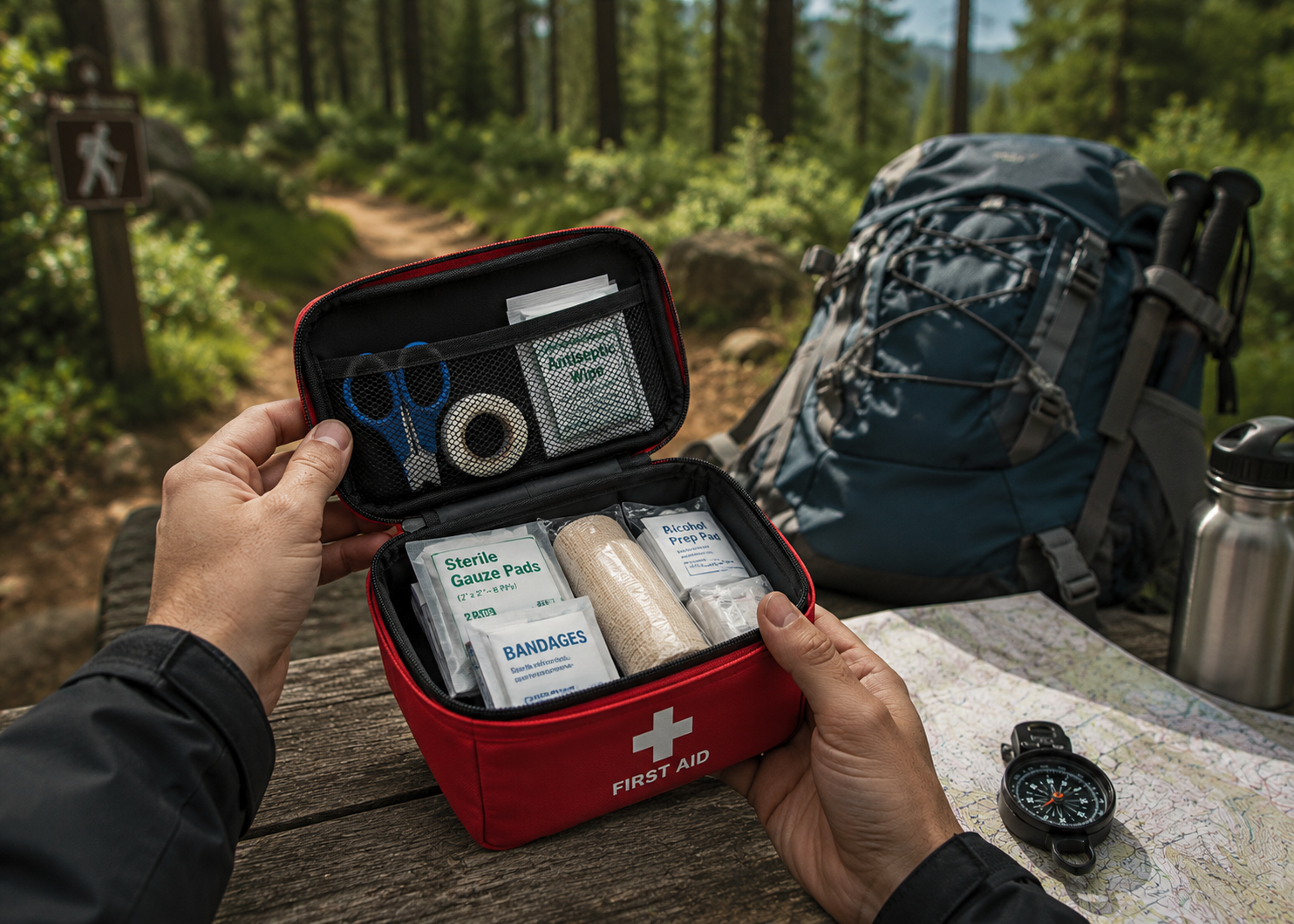
You don’t need a large medical kit for a typical day hike, but carrying a few basic supplies is a smart idea.
A small hiking first-aid kit might include:
- • Adhesive bandages.
- • Blister protection.
- • Antiseptic wipes.
- • Gauze.
- • Medical tape.
- • Small scissors
- • Disposable gloves
The exact contents should depend on your trip and personal needs.
A first-aid kit isn’t a replacement for professional medical care, but it can be useful for dealing with minor problems while you’re on the trail.
7. Wear Appropriate Clothing and Footwear
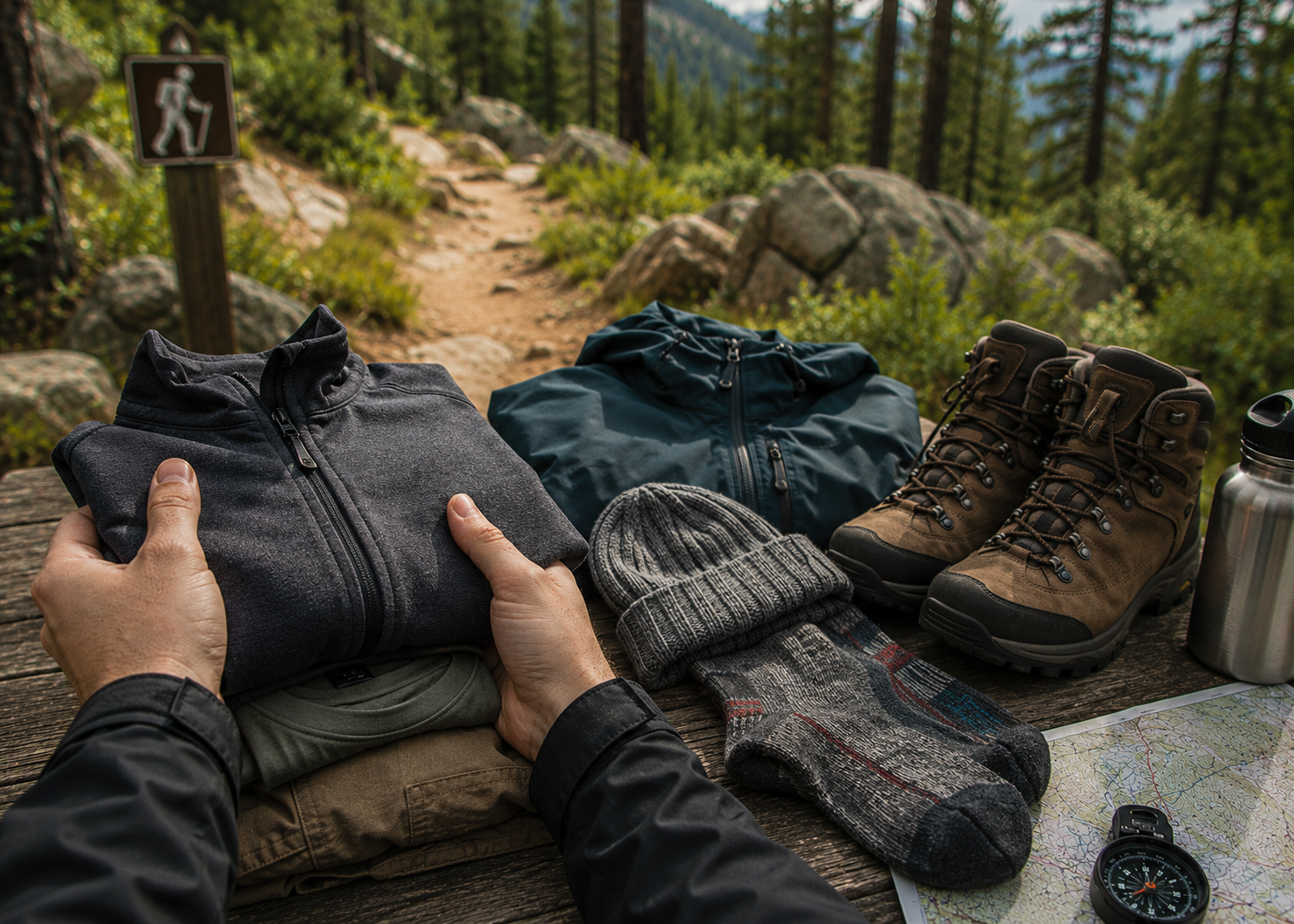
The right clothing can make a huge difference to your comfort and safety.
Choose footwear appropriate for the terrain and conditions. For some easy trails, comfortable outdoor shoes may be enough, while rougher terrain may require more supportive hiking footwear.
Consider wearing layers so you can adapt to changing temperatures. Depending on the weather, useful clothing may include:
- • Moisture-managing base layers.
- • A warm layer
- • A rain jacket.
- • Sun protection.
- • Comfortable hiking socks.
- • Appropriate footwear.
Avoid wearing new footwear for the first time on a long hike. Give yourself time to make sure it fits comfortably and doesn’t cause painful rubbing or blisters.
8. Know Your Limits
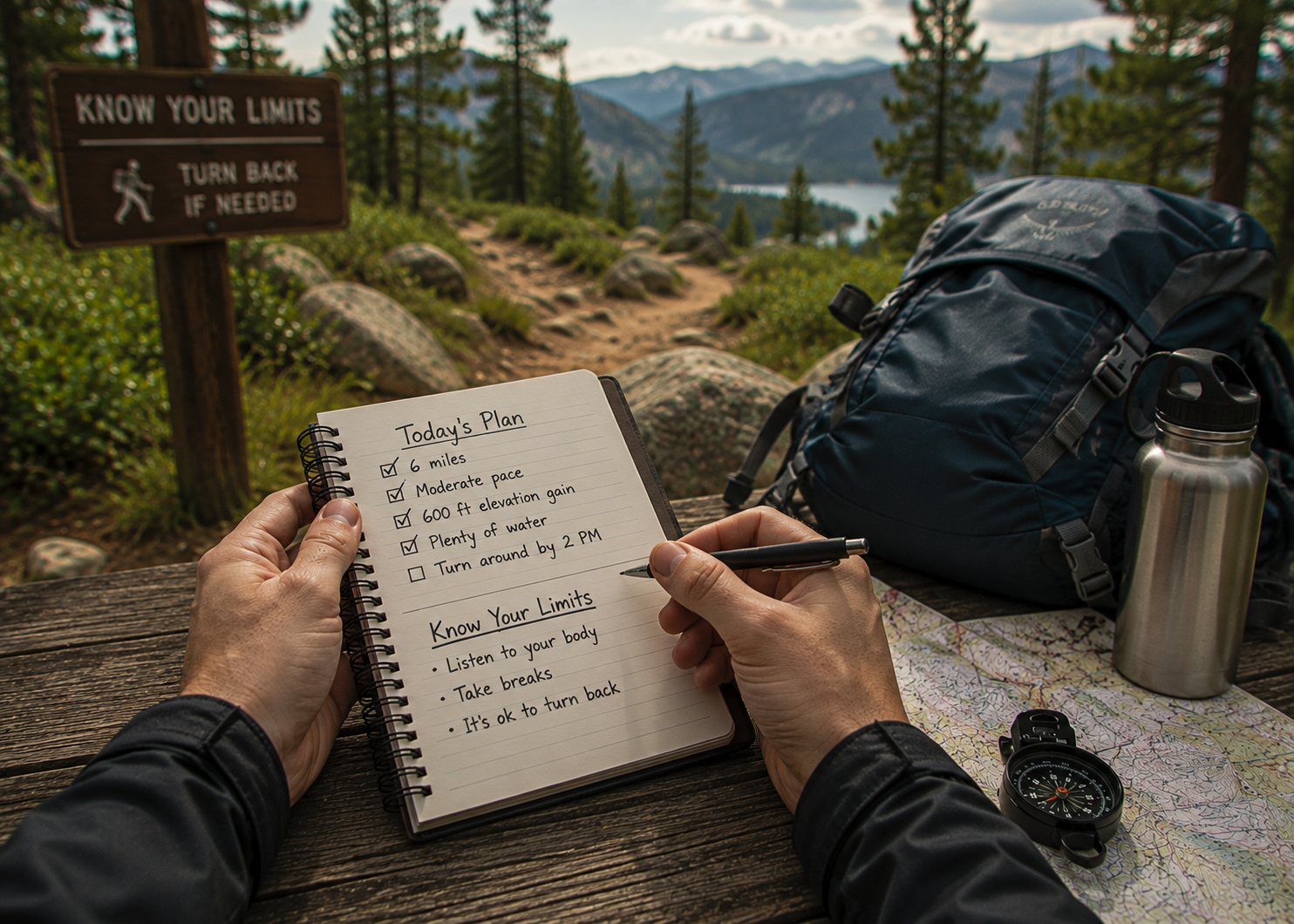
One of the most important hiking skills is knowing when a trail is beyond your current ability.
If you’re a beginner, don’t feel pressured to choose the longest or most difficult route. Consider:
- • Your current fitness level.
- • Your hiking experience.
- • The trail's elevation gain.
- • The weather.
- • How much daylight you have.
- • The experience of everyone in your group
There’s nothing wrong with choosing an easier trail.
In fact, building your experience gradually can help you become a more confident and capable hiker.
The goal isn’t to prove how far you can go. The goal is to enjoy the journey and return safely.
9. Stay on Marked Trails
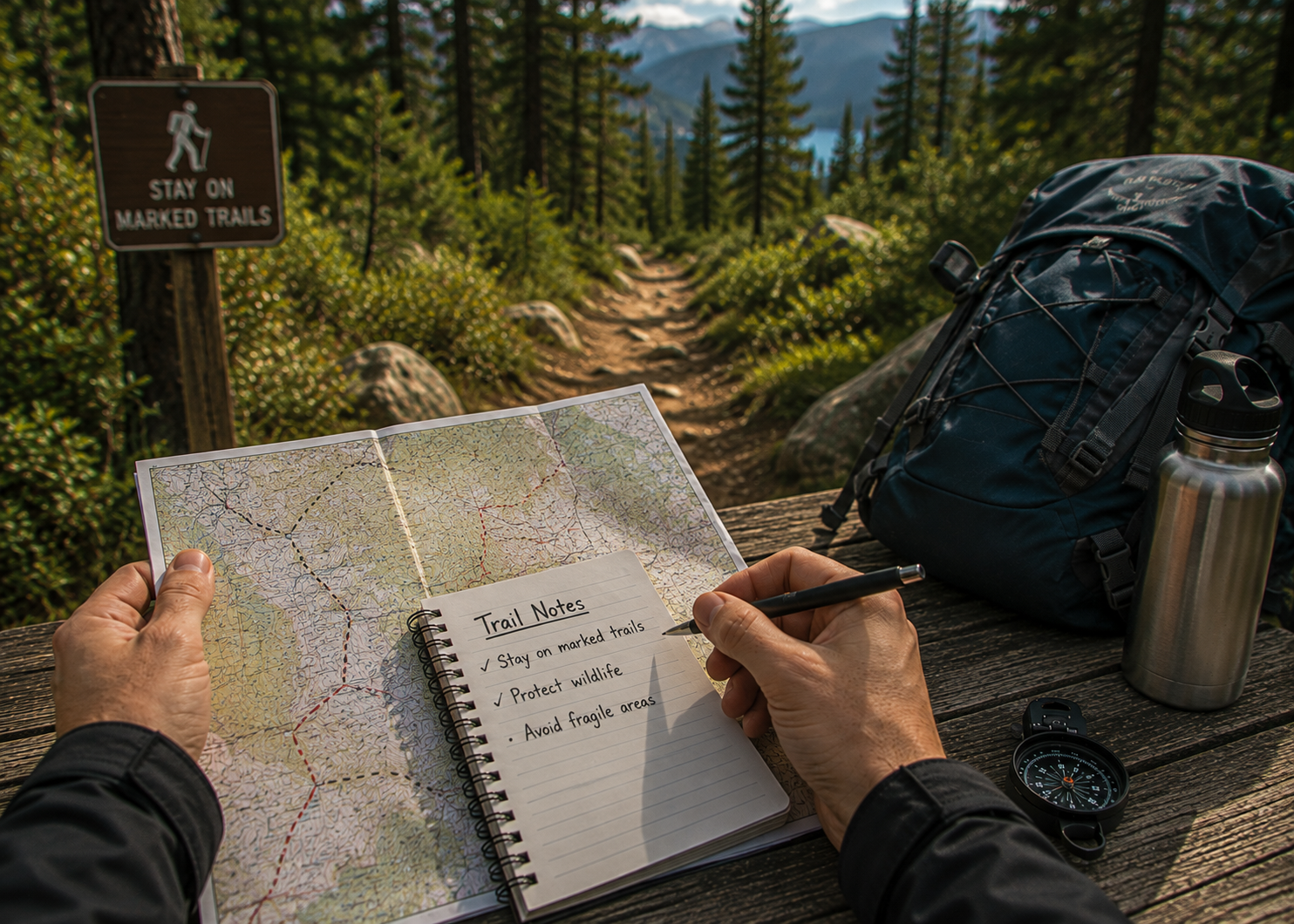
Whenever possible, stay on designated hiking routes.
Leaving the trail can increase your chances of:
- • Getting lost.
- • Encountering difficult terrain.
- • Getting injured.
- • Damaging sensitive vegetation.
- • Disturbing wildlife.
Follow signs and local regulations, and respect any trail closures.
Staying on established paths isn’t only about personal safety. It also helps protect the natural areas we’re there to enjoy.
10. Know When to Turn Back
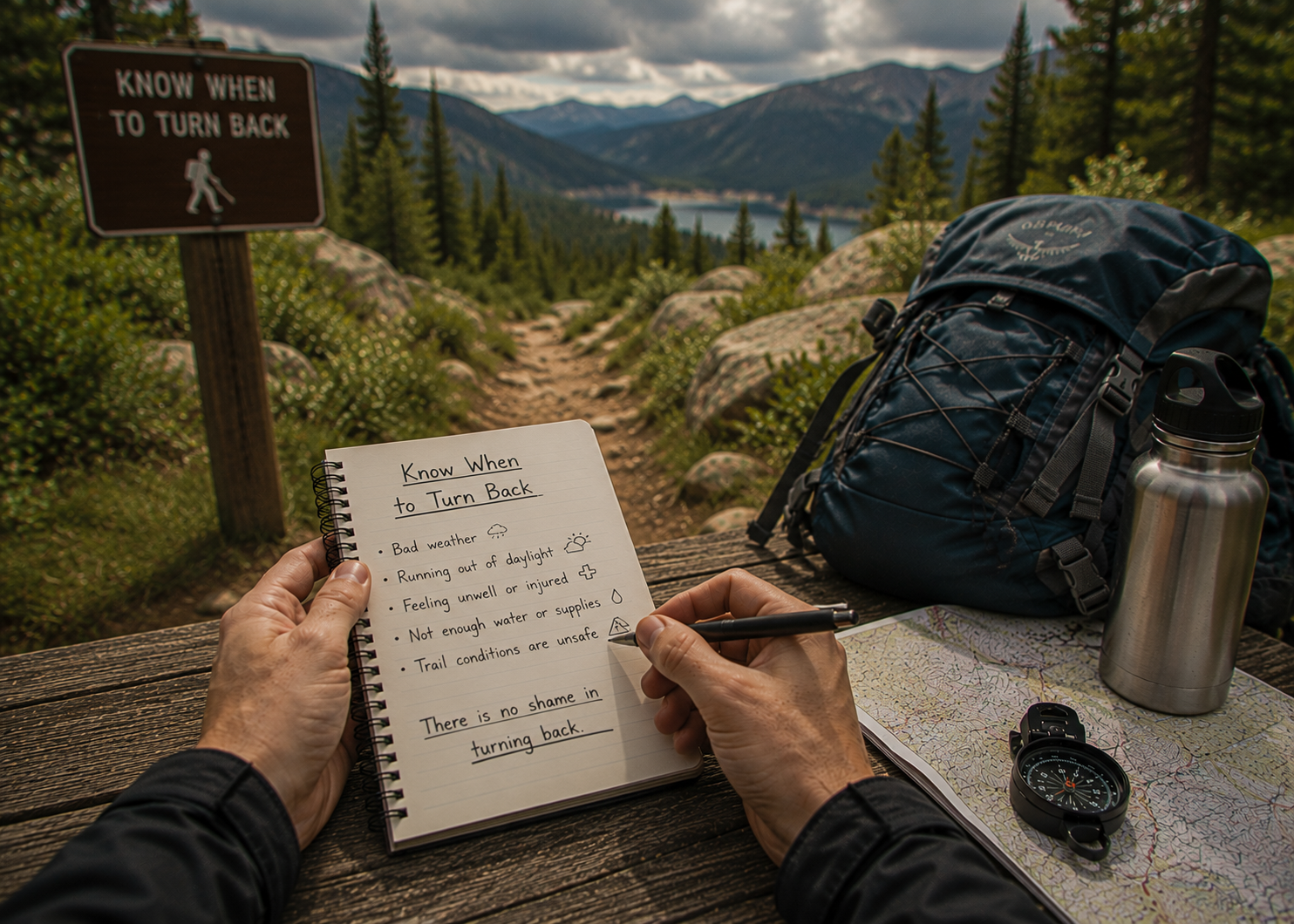
This may be the most important safety tip of all.
Sometimes the smartest decision is to turn around.
Consider ending your hike or changing your plans if:
- • Weather conditions become dangerous.
- • You're becoming excessively tired.
- • Someone in your group is injured.
- • You lose the trail.
- • You're running out of daylight.
- • Conditions are significantly different from what you expected.
- • Someone in your group is struggling.
Don’t let the idea of reaching the destination prevent you from making a safe decision.
Turning back isn’t failure. It’s good judgment.
The mountain, trail, waterfall, or viewpoint will still be there another day.
Bonus Tip: Keep an Eye on the Time
It's easy to lose track of time when you're enjoying the outdoors.
Before starting, estimate how long your hike should take and consider how much daylight you'll have.
Allow extra time for:
What to Do If Something Goes Wrong
Even well-prepared hikers can encounter unexpected situations.
If you become lost, injured, or caught in worsening conditions, try to stay calm.
Depending on the situation:
Final Thoughts
Hiking doesn't have to be intimidating.
With the right preparation, beginners can enjoy beautiful trails while reducing many common risks.
Before your next hike, remember to:

About Dusk & Trail
Dusk & Trail was born from a love for the outdoors and the moments that stay with us long after the sun sets. Our mission is to create comfortable, high-quality apparel that inspires you to explore more, wander further, and live for the adventure.
Categories
-
Hiking TipsHiking Tips
-
Camping GuidesCamping Guides
-
Outdoor LifestyleOutdoor Lifestyle
-
National ParksNational Parks
-
Gear & ReviewsGear & Reviews
Related Posts

August 4, 2026

August 12, 2026

Stay in the Loop
Get hiking tips, new product drops & exclusive offers.